
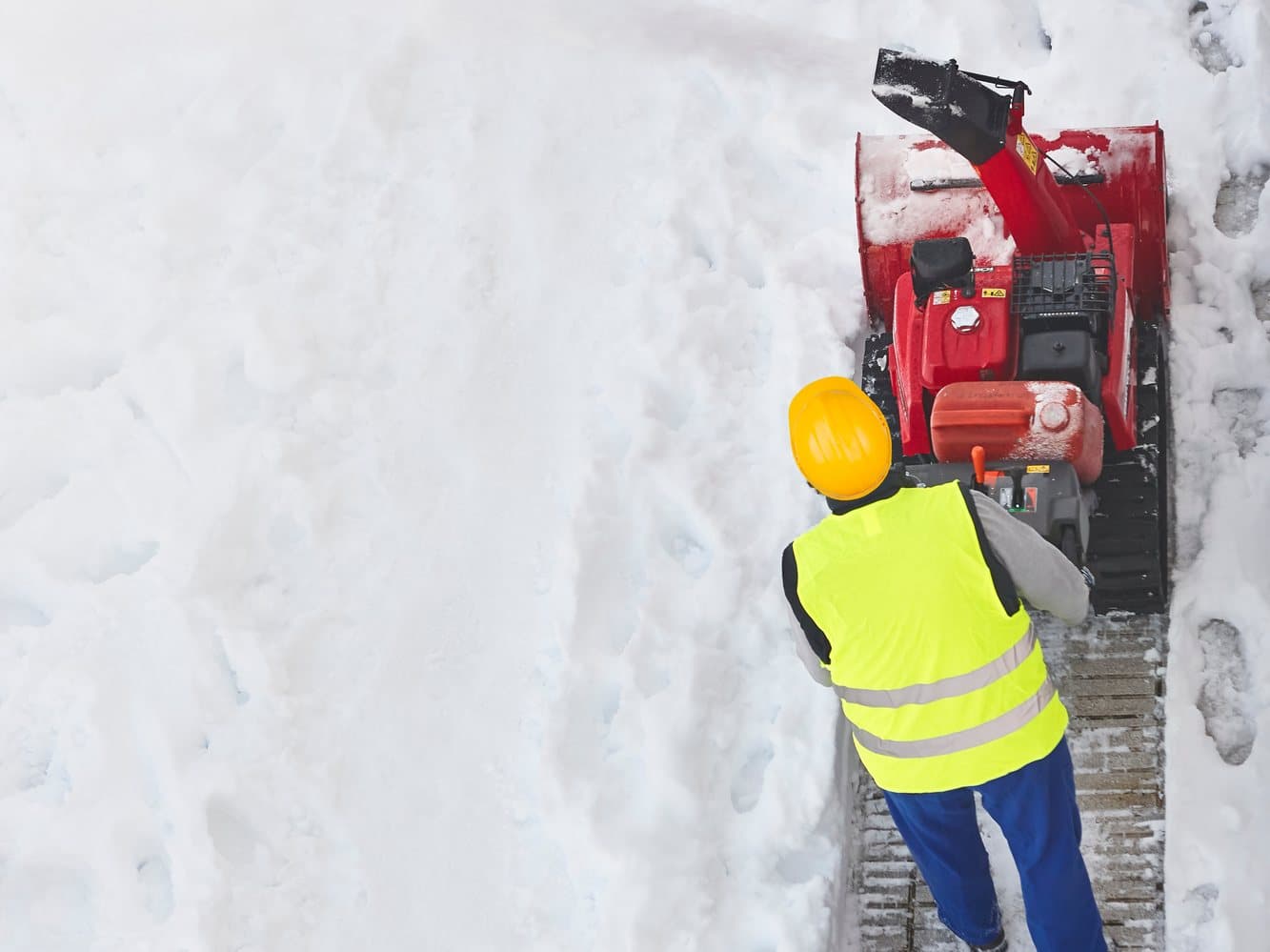
A winter checklist for property managers in western Montana
Reviewed by Adam Hurlbert, Owner & Founder, 15+ years in landscape & property care
A property manager's winter is mostly decided before it starts. By the first real storm, the contract is either signed or it is not, the hydrants are either marked or buried, and tenants either know who clears what or are about to start calling you. This checklist runs through the season in order, from planning through the spring walk-around, for anyone managing rentals, offices or a mixed portfolio in Missoula and Ravalli counties. Use it as a working list, and copy the parts that apply into a sheet for each property.
When should a property manager start planning for winter?
In spring, if you follow the industry's own calendar. SIMA-10-2025, the procurement standard from the Snow & Ice Management Association, says the request for proposals should begin no later than May, with contracts awarded no later than September 1. Few small portfolios run that early, and if it is already November you are not out of options, but you may have less choice on routes and timing. Start with the highest-risk properties and work down the list.
What goes in the contract checklist?
For each property, confirm the following is in writing and signed, which SIMA-10 says all contracts and modifications should be: the surfaces covered and not covered; the trigger or other service initiator; the completion times you need; the clearing order; ice treatment and the materials allowed; where snow goes, and when it gets hauled; start and end dates for the season; billing detail and invoice timing; and how each visit is documented. Our guide to snow contract terms explains the wording, and our seasonal, per-push and hourly comparison helps you choose a model.
Check the leases at the same time. Each lease should agree with the contract about who clears what. In Missoula, the City tells renters to check their rental agreement or ask their landlord about sidewalks, and it sends violation notices to the owner and the tenant, if applicable. If you are not sure what a lease requires, ask an attorney. This checklist is general information, not legal advice.
What should you check on the preseason site walk?
Walk each property with the contractor while the ground is bare. SIMA-10 makes the preseason inspection the responsibility of all contracted parties. Bring a phone and take dated photos. Use this list: entrance and exit routes; locked gates and access codes; slopes and drainage; broken curbs and potholes; speed bumps and car stops; clogged downspouts and any water directed onto walkways; awnings and overhangs; dumpsters, bollards and islands; hydrants and emergency exits; and accessible stalls and routes. Most of those come straight from the standard's assessment list.
Decide who fixes what, and by when. Put snow stakes along edges and low obstacles before the ground freezes, and settle whether the contractor or you will install and remove them, as SIMA-10 suggests. Our guides to snow stakes and markers and preventing plow damage explain what to mark.
What should be done to the grounds before snow?
Blow out the irrigation system and shut down the backflow, because water left in the lines is the classic expensive spring surprise; our sprinkler blowout service and our guide to winterizing irrigation cover that. Clear leaves off turf and out of drains before they mat down under snow, which is part of our fall cleanup work.
Then look at the trees. Limbs that clear a drive or a roof in September sit considerably lower carrying wet snow, and dead or weak limbs are far cheaper to deal with before they come down on something. Our guide to winter tree care and snow load explains what to look for, and our commercial tree services cover managed properties. If anything looks like a real hazard, get an arborist's assessment rather than a guess.
What should you check on the buildings?
Ready.gov's winter guidance covers the basics: insulation, caulking and weather stripping to keep out the cold, protecting pipes from freezing, working carbon monoxide detectors on every level of a home, and using any generator and fuel outdoors at least 20 feet from windows, doors and attached garages. For a manager, that becomes a unit-by-unit check of detectors and a note in the tenant letter about generators. Check for pipes in unheated spaces, and know where each building's water shutoff is before you need it at midnight.
Clean gutters and check that downspouts discharge away from walkways. SIMA-10 names clogged downspouts and water redirected into pedestrian areas as hazards to fix. Look at where roof snow can slide onto an entrance. We do not do roofing work, so bring in the right professional for anything structural; our guides to roof snow and ice dams explain the signs, and icicles and roof snow slides covers entrances.
What should tenants be told before the first storm?
Send one short notice per property. Say what the contractor clears and in what order; what tenants are responsible for under the lease; where to park on snow days and what happens to cars left in the way; who to call about ice at a door; how to report a fall or damage; and what to do about heat loss, frozen pipes and a carbon monoxide alarm. Put the emergency contact number in big type. A notice takes half an hour to write and prevents a season of phone calls.
What should your storm-day routine look like?
Before the storm, watch the forecast. Ready.gov advises paying attention to weather reports and warnings, and our related guide to winter advisories and warnings explains the terms. If you manage several sites, have a list with each site's contractor, trigger and key contact, so you are not hunting for numbers at 5 a.m. SIMA-10 asks for a communication plan with current contacts for complaints, scope changes, incidents and damage reports.
During and after it, spot-check your highest-risk properties, or have someone local do it. Note the time and condition. OSHA tells employers to clear walking surfaces of snow and ice, and spread deicer, as quickly as possible after a winter storm, so maintenance staff need ice melt on hand and suitable footwear, since OSHA also advises insulated, water-resistant boots with good rubber treads. It warns that snow-covered rooftops can hide hazards such as skylights, and recommends methods that keep workers off roofs when possible, so do not send staff up there without a plan.
What should you watch between storms?
Ice, mostly. SIMA-10 asks that someone be assigned to watch for thaw and refreeze from piles and for ice that forms after a service. Find out whether that is the contractor, through a monitoring arrangement, or your own staff. Keep an eye on pile size as well, because sightlines and stall counts tend to get worse gradually until someone complains. If a property is empty, check it on a schedule: heat, water, drive access and any sign of a leak. Our guide to winter checks for empty homes has the detail, and our black ice guide explains refreeze.
What records should a manager keep?
One folder per property, with the contract, site map, preseason photos and the contractor's plan, plus each service report through the season. Add your own log of calls, complaints, site checks, incidents and invoices. SIMA-10 lists what a contractor's per-event report should contain, and our guide to snow service records sets out how to use it. Match invoices to visits every month, while you can still remember the storm. If there is a fall or an injury, report it to your insurer and ask an attorney about next steps; our guide to slip-and-fall liability offers background.
What about private roads and shared drives?
Confirm which roads the county does and does not maintain. Ravalli County's road department says it has a list of the roads it maintains, and that there are many miles of platted county roads it does not. Missoula County says maintenance outside its crews' regular hours is not guaranteed. If a property depends on a private road, know who is plowing it and how that is funded. Our guide to who plows a private road sets out the question, and our private road snow plowing page describes that service.
What should you do when the snow melts?
SIMA-10 calls for a joint site inspection by site management and the contractor within 30 days of the end of a typical winter season, to identify and document damage and needed repairs and set a timeline for completing them. Bring your preseason photos. Look for scarred turf, broken heads and damaged edging, curbs and signs. Then clean up sand and debris and restart the irrigation; our guide to yard cleanup after the snow melts goes through that.
Finally, write down what went wrong while you remember. Which properties caused the most calls? Was the trigger right? Did the piles fit? Those notes are next year's request for proposals, due in May if you follow SIMA's calendar.
Does this replace a contractor's plan?
No. This list is for the manager; the crew needs its own map and plan for each site, and our guide to a parking lot snow plan covers how those are written. If you manage HOAs, our guide to what an HOA should expect adds the board side of it.
This guide is part of our Montana Winter Property Guide. We work with managers on HOA and managed-property snow removal and commercial snow and ice management, scoped per site with one point of contact, and our snow and 24-hour storm services cover the storms outside the normal cycle. Call HJ Property Care & Tree Service at (406) 215-7319 or request a snow proposal and we will walk the site with you before the first storm.
Need help?
HJ Property Care & Tree Service is locally owned and ISA-certified. Call for a free estimate.
This article is part of the Montana Winter Property Guide, our complete guide for western Montana property owners.
Explore our snow & 24-hour storm services.
Sources
We cite primary sources: Montana State University Extension, the City of Missoula, and the ISA, so you can verify anything here yourself.
- SIMA-10-2025 Standard Practice for Procuring and Planning Snow and Ice Management Services (an American National Standard) (Snow & Ice Management Association (SIMA)). Last checked November 2, 2026.
- Sidewalk Snow Removal (City of Missoula). Last checked November 2, 2026.
- Winter Weather (Ready.gov (FEMA)). Last checked November 2, 2026.
- Winter Weather: Hazards (Occupational Safety and Health Administration). Last checked November 2, 2026.
- Road & Bridge Department FAQs (Ravalli County). Last checked November 2, 2026.
- Snow Plowing (Missoula County Public Works). Last checked November 2, 2026.
Ready to transform your outdoor space?
Get a free, no-obligation estimate within 48 hours. Locally owned and ISA-certified.