
Erosion and Flooding After a Fire on Hillside Property
Reviewed by Justin Johnson, ISA Certified Arborist (RM-8889A)
The fire is out, and the danger has changed shape. A burned slope above a house in the Bitterroot or the hills around Missoula sheds water and soil far faster than it did before, and a summer thunderstorm that would have soaked into the duff a year ago can now send a flash flood or a mudflow down the draw. Montana agencies publish clear guidance on this, and most of it is aimed at the first two to three years. This guide explains why burned ground behaves differently, how long the risk lasts, what owners can do on their own slopes, what help exists, and the insurance step that has a waiting period.
Why does burned ground flood and erode?
The Montana Flood After Fire Guidebook, published by the Montana Silver Jackets team and hosted by DNRC, explains that unburned vegetation and soil act like a sponge during rain, but the heat of a fire can bake the ground into a surface that will not absorb water and speeds runoff. A burn scar raises flood potential until vegetation is re-established.
Oregon State University Extension's guide on post-fire erosion describes the same effect as water-repellent soil: intense heat can make the top few inches repel water, so rain runs off the surface and carries soil with it. Steep slopes and intense storms raise the risk of soil movement and debris flows.
What is the difference between a flash flood and a debris flow?
The guidebook separates the two. Flash floods after fire behave like water carrying surface debris such as logs and gravel, but they are much larger for a given storm than before the fire and can reach properties previously considered safe. It notes that it takes much less rain to cause flash flooding over a burn area, and that thunderstorms over burn scars can produce flooding almost as fast as radar detects the rain.
Debris flows, or mudflows, form when runoff erodes the burned slope and picks up ash, rock, boulders and burned trees. The guidebook calls them one of the most dangerous post-fire hazards because they come with little warning, and says the trigger is high rainfall rate rather than total rainfall. Survivors describe a roar like a freight train. They can threaten property miles from the burn.
How long does the risk last?
According to the guidebook, in severely burned areas the risk of floods or debris flows may last two to five years, and after two or three years regrowth and reduced water repellency should lower it considerably. How quickly a site recovers depends on the terrain, the severity of the burn, and how fast vegetation returns.
The practical takeaway is that the first summer thunderstorm season after a fire deserves the most attention, and that a property downhill or downstream of a burn should be treated as higher risk for several years, not one.
Is flood insurance worth looking at after a fire?
The guidebook is direct about it. Homeowner's insurance does not cover flooding; flood coverage is a separate policy through the National Flood Insurance Program or private insurers. Because floods after fire are more extensive, it advises people downstream of a burn to reassess their flood risk even if they were previously outside a flood zone. It notes the program covers mudflow damage, and that a debris flow qualifies as a mudflow.
There is normally a 30-day waiting period before a new flood policy takes effect. The guidebook says FEMA may waive it if a property is affected by flooding on burned federal land and the policy is bought within 60 days of the fire's containment date. It points owners to the Montana Commissioner of Securities and Insurance and FEMA for details. This is general information, not insurance advice: ask your agent what applies to you.
What should owners do in the first weeks?
Sign up for local emergency alerts, which the guidebook names as the minimum step for residents. Photograph your property from several angles, including any before pictures you have; the guidebook calls documentation one of the most important things you can do. Look upslope and upstream: the guidebook notes that burned terrain uphill or upstream of you is the particular concern.
Oregon State's guide recommends mapping low, moderate and high severity areas on the property and prioritizing treatment where streams, roads or buildings sit directly downslope. It also notes that many sites recover without intervention, so effort belongs where the consequences are.
Which erosion controls work on a home site?
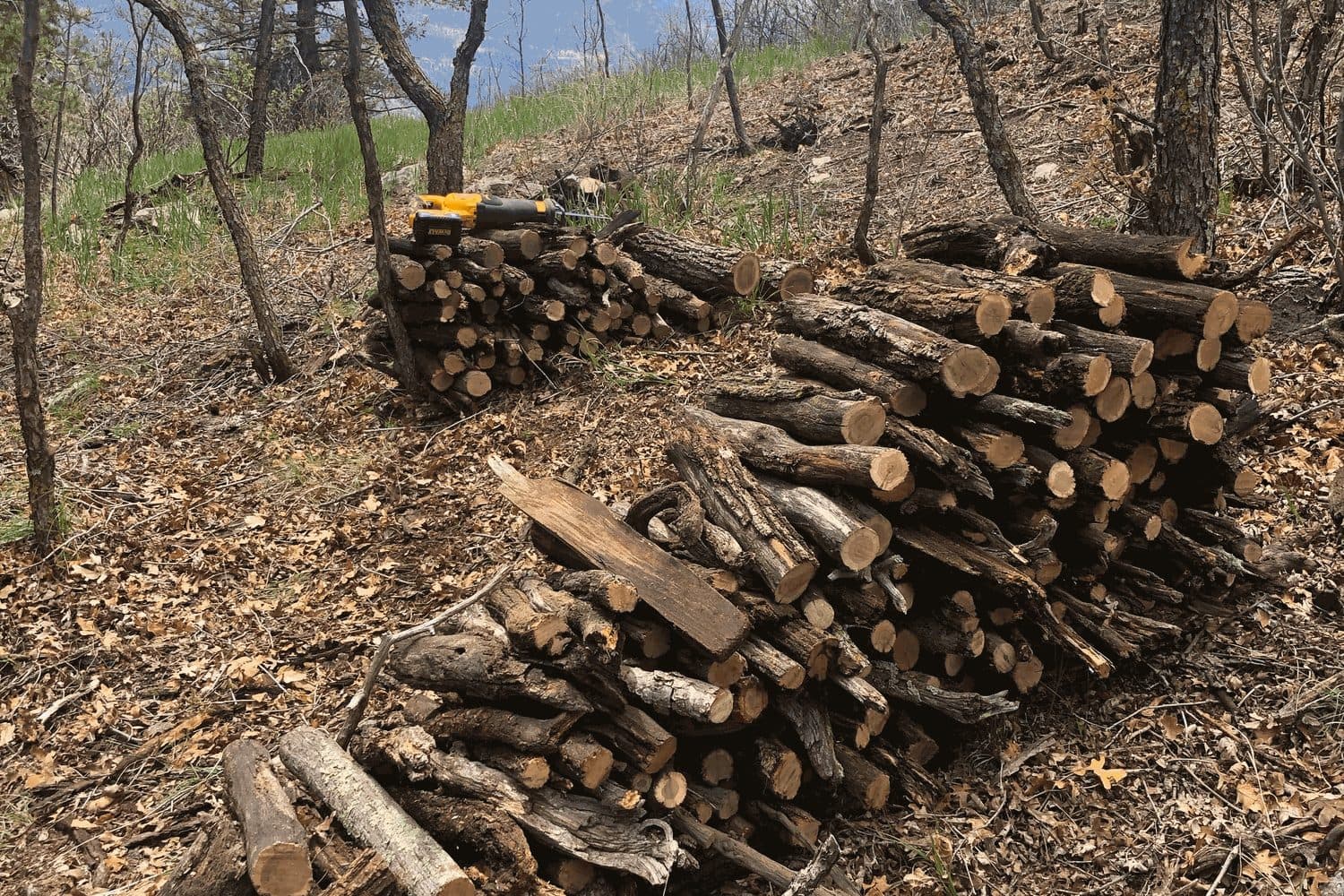
Oregon State's guide describes the common tools. Straw mulch spread at about one to two tons per acre protects soil from raindrop impact, though straw can carry weed seeds. Contour logs, burned trees six to 10 inches in diameter and 10 to 30 feet long laid across the slope in full contact with the ground, trap moving soil. Straw wattles, tubes of straw in netting, are installed the same way. Silt fences work best on gentle slopes and in small swales. Straw bale check dams in small drainages target the first winter or rainy season, but lose effect as they fill and can wash out.
Seeding is less useful than people expect. The Oregon State guide calls seeding for erosion control a marginal practice that is typically not recommended on forest sites, says it offers little protection in the first year, and warns that non-native grasses can crowd out native plants and can increase fire risk. Our guide to erosion control on slopes covers longer-term options.
What about weeds in straw and seed?
They are a real cost of erosion work. Montana State University Extension's post on managing weeds after wildfire warns that weed seed can arrive in seed mixes and donated hay, and that heavy equipment can increase bare ground and compaction that weeds exploit. It also reports Montana studies in which firebreaks through low-density cheatgrass greatly increased cheatgrass, and fire retardant high in ammonium and phosphorus acted as a fertilizer for it.
Use weed-free straw where you can get it, and watch treated areas closely for the first few years. The MSU post says treating small infestations early is the most effective and least costly approach. Our noxious weeds and wildfire fuel and Ravalli County noxious weeds guides have more.
What about culverts, ditches and driveways?
The guidebook gives a clear example: small culverts clog easily with debris, which can back water up, overtop the road and erode it, then release a surge. Its listed mitigations are debris control upstream of culverts or larger replacement structures. On a private driveway that means checking culverts after every storm, keeping their inlets clear, and talking to the county or an engineer before replacing one.
Around the house, the basics of drainage matter more than usual: water moving off a burned slope needs a path around the foundation, not into it. Our guides to grading away from the foundation and spring melt drainage cover the yard side. Culvert sizing and slope stabilization structures are engineering questions; we do not design them.
What help is available for private land?
The guidebook lists the USDA Natural Resources Conservation Service's Emergency Watershed Protection program, which provides technical and financial help on state, tribal and private land to relieve imminent hazards after events including fire. Private landowners are eligible but must be represented by a project sponsor, such as a city, county, conservation district or tribe. The guidebook's notes advise private landowners to work through local government rather than contacting state and federal agencies directly.
Burned Area Emergency Response teams work on federal land, and the guidebook notes that the National Weather Service refines forecasts and warnings around burn areas. Montana DNRC's restoration page adds NRCS fire recovery resources, local conservation districts and DNRC service foresters as contacts. Programs and funding change; confirm what is open when you call.
What should you do when a storm is coming?
Treat the forecast seriously and leave early if you are told to. The guidebook warns that storms over burn scars can produce flooding and debris flows almost as fast as radar picks up the rain, which leaves little warning time, and that the sound of a debris flow is often described as cracking, roaring or a freight train. Know your route out before the season starts, and do not plan on a route that crosses the drainage below the burn.
Do not count on disaster aid as the backstop. The guidebook says a Presidential Disaster Declaration is required before a community is eligible for FEMA funding, and that FEMA assistance, when provided, is minimal help to get people back on their feet. That is why it pushes flood insurance and documentation so hard. Our Ready, Set, Go guide covers household planning.
What can HJ do after a fire?
We do the hands-on site work that does not require an engineer: removing hazard trees, clearing debris from drainage paths around the house, and rebuilding the landscape once the ground is stable through landscaping, retaining walls and hardscaping. Tree decisions come first; see which burned trees will live.
When the slope is settling, the next step is replanting after wildfire. The rest of the recovery topics are in our Montana Wildfire Guide, and the fire mitigation page covers getting ready for the next one. Call HJ Property Care & Tree Service at (406) 215-7319 or request a free estimate and we will walk the property with you.
Need help?
HJ Property Care & Tree Service is locally owned and ISA-certified. Call for a free estimate.
This article is part of the Montana Wildfire & Defensible Space Guide, our complete guide for western Montana property owners.
Explore our fire mitigation.
Sources
We cite primary sources: Montana State University Extension, the City of Missoula, and the ISA, so you can verify anything here yourself.
- Montana Flood After Fire Guidebook (July 2024, Montana Silver Jackets) (Montana Department of Natural Resources and Conservation (DNRC)). Last checked November 2, 2026.
- Mitigating soil erosion after a fire (EM 9562, July 2025) (Oregon State University Extension Service). Last checked November 2, 2026.
- Managing Weeds After Wildfire (Monthly Weed Post, December 2019) (Montana State University Extension). Last checked November 2, 2026.
- Tree Planting & Restoration (Montana Department of Natural Resources and Conservation (DNRC)). Last checked November 2, 2026.
Ready to transform your outdoor space?
Get a free, no-obligation estimate within 48 hours. Locally owned and ISA-certified.